
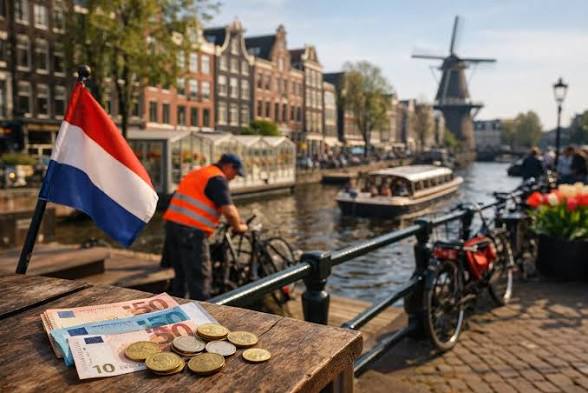
The Netherlands has long been a welcoming destination for international talent, with its thriving economy, high quality of life, and abundance of English-speaking roles. For foreigners looking to work in the Netherlands, securing a job with visa sponsorship is the most critical step. In 2026, the landscape is more competitive but still offers numerous opportunities for skilled professionals. This guide provides a comprehensive overview of the Dutch job market for internationals, detailing visa options, in-demand sectors, salary requirements, and where to find sponsored jobs.
Why the Netherlands Needs Foreign Talent
The Dutch labor market is experiencing a significant talent shortage, creating ample opportunities for international workers. In fact, the Dutch labor shortage has created over 10,000 visa sponsorship jobs for international applicants. The Netherlands remains one of Europe’s most international economies and needs skilled talent to maintain its competitive edge.
While policies have become more selective to ensure “quality over quantity,” the demand for international professionals continues to grow, particularly in sectors facing critical shortages. The Dutch government has been implementing measures to reduce non-essential labor migrations, such as significantly higher salary thresholds for Highly Skilled Migrant visas in 2026. However, for skilled professionals in high-demand fields, the doors remain open.
Key Visa Types for Working in the Netherlands
Highly Skilled Migrant (HSM) Visa
The Highly Skilled Migrant (Kennismigrant) visa is the most common route for skilled professionals from outside the EU/EEA to work in the Netherlands. It requires employer sponsorship from an IND-recognized company. There are 4,750+ IND-certified companies actively hiring.
2026 Salary Thresholds:
The gross monthly salary thresholds for 2026 are indexed annually and apply to applications submitted as of 1 January 2026:
· Under 30: €4,171/month
· 30 or older: €5,688/month
These amounts are exclusive of 8% holiday allowance and must be contractually agreed and guaranteed.
The role of the employer: Only employers recognized by the Dutch Immigration and Naturalisation Service (IND) can apply on your behalf. You cannot apply independently – the employer is responsible for submitting the application to the IND and UWV.
Orientation Year Visa (Zoekjaar)
For international graduates from Dutch universities, the Orientation Year (Zoekjaar) visa offers a powerful pathway. It grants a one-year residence permit to find a job as a Highly Skilled Migrant, with zero restrictions on working during the year.
This visa allows you to work full-time without requiring immediate employer sponsorship, significantly lowering the barrier to entry. When transitioning to a permanent work visa, the salary threshold is also considerably lower for Zoekjaar holders compared to direct applicants from abroad.
Recent reports by the IOM have recommended extending the Orientation Year Permit by six months to ease the transition from study to work, though this has not yet been implemented.
EU Blue Card
The EU Blue Card is designed for highly qualified professionals with 5+ years of experience. For 2026, the salary threshold for the EU Blue Card is set at a higher level than the standard HSM visa. This option may be suitable for senior professionals with significant experience.
Single Permit (GVVA)
The Single Permit combines residence and work authorization and is typically applied for by the employer. Processing usually takes 4 to 8 weeks, and you cannot start working until the permit is officially approved.
In-Demand Sectors and High-Demand Jobs
Several sectors in the Netherlands are experiencing critical labor shortages, making them the most promising for visa sponsorship opportunities:
Technology and IT
The tech sector remains a top destination for international professionals. The Netherlands offers a thriving tech industry with high salaries and excellent work-life balance. In-demand roles include software engineers, cloud specialists, AI experts, and cybersecurity professionals. Even without a bachelor’s degree, strong experience and certifications can open doors for IT professionals.
Engineering
Engineers are consistently in high demand across multiple disciplines, including mechanical, civil, and electrical engineering.
Healthcare and Life Sciences
The healthcare sector faces significant shortages, with opportunities for medical professionals, researchers, and pharmaceutical experts. Researchers and medical trainees have specific rules under the HSM scheme.
Logistics and Blue-Collar Roles
Surging e-commerce has created a recruitment crisis for drivers and warehouse staff, offering major opportunities for international staffing. The demand for blue-collar workers, especially in logistics and construction, is higher than ever.
Energy and Sustainability
Green energy and sustainability sectors are growing rapidly, with increasing demand for professionals in renewable energy, environmental science, and sustainable technology.
Major Employers Offering Visa Sponsorship
Several large multinational companies in the Netherlands regularly sponsor work visas:
· Shell: Energy solutions leader
· Philips: Conglomerate headquartered in Amsterdam
· Unilever: Consumer goods giant
· KLM Airlines: Flagship airline
· Booking.com: Global travel platform
· IKEA: Furniture retail giant
· Google, Apple, Microsoft: Tech giants with significant operations
· PwC, KPMG: Consulting firms
These companies are typically well-versed in the sponsorship process and have established HR systems to support international hires.
Where to Find Netherlands Visa Sponsorship Jobs
Official IND Sponsor List
The official IND sponsor list is the starting point, though it only shows company names – approximately 39% are active with websites. Tools like VisaList NL provide curated, verified lists of IND-certified companies with active hiring signals.
Job Portals
· Relocate Me: Specializes in IT, engineering, and programming roles
· EURES Portal: European Government job platform with visa sponsorship listings
· Undutchables: Focuses on international talent
· IamExpat Jobs: Popular among expats
Company Career Pages
Directly check career pages of major companies known to sponsor. Use keywords like “Visa Sponsorship” in the job search.
LinkedIn and the Hidden Job Market
While LinkedIn is essential, don’t rely only on “Easy Apply” – you’ll be competing with thousands of applicants. The best roles are often found in the “hidden job market” through networking and direct outreach.
Tips for Success in Your Job Search
Target the Right Companies
Focus your energy strictly on international companies or scale-ups where English is the primary business language if you lack local language skills.
Strengthen Your Application
Highlight unique skills that locals can’t easily provide. In your CV and interviews, focus on how you solved problems, communicated, and added value – not just your daily tasks.
Consider Learning Dutch
While Amsterdam’s tech and finance scene is very English-friendly, Dutch proficiency opens more doors and can boost your salary potential by €8,000+ annually. Even A2 level shows commitment and expands options.
Build a Local Network
Connect with LinkedIn, attend expat events, and use platforms like Undutchables and IamExpat Jobs.
Consider Alternative Routes
· Intra-company transfers if you work for a multinational
· Self-Employment & Startup Visa for freelancers or entrepreneurs
· Payroll companies that can act as intermediaries for sponsorship
Be Prepared for Market Realities
The job market in 2026 is more selective, especially for non-EU professionals. There’s a preference for EU/EEA candidates because EU citizens can work without visas or sponsorship. However, opportunities still exist in shortage areas like IT, healthcare, engineering, green energy, and pharma.
The 30% Tax Ruling
The Netherlands offers a significant tax benefit for expats – the 30% tax ruling allows for tax-free payments to skilled migrants, subject to specific conditions and an application process. However, the government has been implementing phased reductions of this ruling, so it’s important to check current conditions when negotiating your package.
Conclusion
The Netherlands continues to offer excellent opportunities for skilled foreign professionals despite tighter immigration policies. Success requires a targeted approach: focus on recognized sponsors, highlight unique skills, and consider learning Dutch to stand out. Whether you’re in technology, healthcare, engineering, or logistics, there are pathways to securing a visa sponsorship job and building a career in this dynamic European nation.
For the most up-to-date information on salary thresholds and regulations, always refer to the official IND website and check with your potential employer’s HR department about current sponsorship requirements.