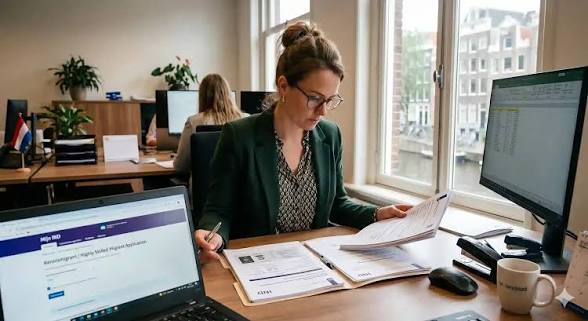

Germany’s construction industry is experiencing a remarkable turnaround. After contracting over 10% since 2020, the sector is projected to grow by 2.5% in 2026, fueled by massive infrastructure spending and a government-backed housing initiative known as the “Bau-Turbo” . This resurgence has created a critical shortage of skilled tradespeople and laborers, driving up demand for international workers . If you are a construction professional looking to work abroad, Germany offers one of the most promising pathways, with visa options that minimize upfront costs for qualified candidates. This comprehensive guide covers the opportunities, visa types, and actionable steps to secure construction jobs in Germany, including routes that can significantly reduce the financial burden of relocation.
Why Germany Needs Construction Workers Now
The German construction sector faces a “perfect storm” of challenges that make international recruitment not just helpful, but essential. The country is grappling with a severe labor shortage driven by three core issues :
· Demographic Crisis: The workforce is aging rapidly. A significant portion of the skilled workforce—nearly one-third of senior construction workers—is expected to retire within the next five years. This is leaving a massive skills gap as younger generations are not entering the trades at the same rate .
· High Demand: The German government is investing billions in infrastructure, including €169 billion for transport and €230 billion for rail projects alone in 2026 . Simultaneously, the need to build new housing and retrofit old buildings for energy efficiency is creating a backlog of projects .
· Physical Demands and Changing Preferences: While construction wages are competitive and often exceed typical office salaries (with skilled workers earning over €45,000 annually), the physical nature of the work is less appealing to younger Germans, who often prefer desk jobs .
With over 600,000 vacancies across the economy and specific shortages in 163 occupations, including construction and core services, the demand for foreign labor is structurally embedded in Germany’s economic strategy .
Understanding “Free Visa” and Cost-Saving Pathways
The term “free visa” is slightly misleading. While visa processing fees (around €75 for a visa and up to €411 for fast-track approvals) are relatively low, the significant costs involve travel, accommodation, and initial living expenses . However, “free visa” generally refers to two key concepts:
- Employer-Sponsored Visas (Zero Recruitment Fee)
Many European construction companies are actively hiring pre-screened, reliable international workers from countries like Pakistan, India, and Turkey . In most cases, the employer bears the cost and administrative burden of the visa application, making it “free” for the employee .
- The German Opportunity Card (Job-Seeker Visa)
This visa is a strategic entry point . While not a work permit itself, the Opportunity Card allows you to enter Germany and search for a job locally . The immediate benefit is availability. German employers are hesitant to hire from abroad because of visa delays and the risk of no-shows. If you are physically in Germany, you can attend interviews, start quickly, and demonstrate commitment, dramatically increasing your chances of finding a job .
Which Construction Roles Are in High Demand?
The sector needs a broad range of talent, from laborers to engineers. Understanding the distinction between regulated and unregulated roles is critical for your application strategy .
Role Category Specific Roles Visa Timeline Qualification Requirements
Regulated (Skilled Trades) Electricians, Plumbers, Welders, Carpenters, HVAC Technicians, Engineers . 6–8 months Requires qualification recognition (Anerkennung) and basic German (A1-A2) .
Unregulated (General Labor) Helpers, Laborers, Site Support Staff, Drivers . 2–4 months No formal recognition required; focus on experience and physical capability .
Key Insight: Starting in 2026, construction managers and skilled trades are now included in the shortage occupation list for the EU Blue Card, making it easier for qualified professionals to qualify for a work and residence permit .
The Top Visa Pathways for Construction Workers in 2026
The German government has reformed immigration laws to make it easier for non-EU nationals to work . Here are the primary routes:
- The Skilled Worker Visa (Fachkräfteeinwanderungsgesetz)
This is the standard visa for qualified professionals. If you have a recognized vocational qualification or a university degree, you can apply for this visa . With construction now officially recognized as a “shortage occupation,” the minimum salary threshold for the EU Blue Card has dropped to €45,934.20 annually as of 2026 .
- The Fast-Track Procedure (Beschleunigtes Fachkräfteverfahren)
For those with a job offer, this is the most efficient pathway . The employer initiates the process with the local foreigners authority in Germany. This involves a fee (approx. €411) and fast-tracks the visa approval at the embassy, often giving candidates a visa appointment within 3 weeks .
- The German Opportunity Card (Chancenkarte)
If you don’t have a job offer yet, this is your ticket. It lets you move to Germany and look for work . This is the primary way to beat the “availability problem.” Employers prefer candidates who are already in the country and ready to start .
Key Updates for 2026:
· Salary Thresholds: EU Blue Card threshold increased to €50,700 for regular jobs and €45,934.20 for shortage occupations (construction) .
· Qualification Recognition: New legislation allows IT specialists to get a Blue Card without a degree if they have relevant experience, signaling a more flexible approach .
· Integration: Employers are now required to inform foreign workers about their rights under German law .
Step-by-Step Guide to Securing a Job
- Apply and Get a Job Offer: The most direct route is to secure an offer. Look for companies that specifically hire international talent. Major international EPC (Engineering, Procurement, and Construction) companies are often more open to sponsoring visas .
- Initiating the Fast-Track (If applicable): If your employer uses the fast-track, they will contact the local foreigners authority. They will need your passport copies, translated qualifications, and an employment declaration .
- Visiting the Embassy: Once the preliminary approval is granted, the embassy gives you an appointment to apply for the visa. You will need to pay the visa fee (approx. €75) .
- Arrival and Work: Upon arriving in Germany, you will register your address and apply for your residence permit.
10 Tips for a Successful Application
- Language Skills Matter: For regulated trades, A2 German is often required. For unregulated labor, even basic communication skills (A1) can set you apart . While German construction workers often earn more than office workers, learning the language is key to integration .
- Focus on Availability: If you can afford the Opportunity Card, use it. Being physically in Germany is your biggest advantage .
- Prepare Your Documents: Ensure all certificates are translated into German. The recognition process (Anerkennung) is time-consuming but essential for electricians and plumbers .
- Target the Right Niche: While general laborers are needed, specialized roles (HVAC, welding, carpentry) have less competition and better pay .
- Use Local Resources: The German Federal Employment Agency (Bundesagentur für Arbeit) publishes lists of shortages. Use the “Make it in Germany” government portal for official information .
- Consider the Fast-Track: If an employer offers this, take it. It bypasses embassy backlogs .
- Network in Germany: Attend job fairs and construction trade shows if you are already in the country .
- Understand the Salary: Know the thresholds. For a Blue Card, you need a minimum of €45,934.20 in 2026 .
- Look to Established Communities: Nationalities like Turks, Poles, and Romanians already have a strong presence in German construction. This can help with finding accommodation and social support upon arrival .
- Be Realistic: System friction exists. Visa processes take time. Ensure you have enough savings to cover living costs for at least three months .
Conclusion
Germany’s construction sector is in dire need of workers, and 2026 is the best year to make a move. With new legislation expanding access to the EU Blue Card, the availability of the Opportunity Card, and a distinct preference for motivated foreign labor, the pathway is clearer than ever . Whether you are a skilled electrician or a general laborer, understanding the visa pathways—especially the fast-track route—will be your ticket to a rewarding career and a new life in Europe.